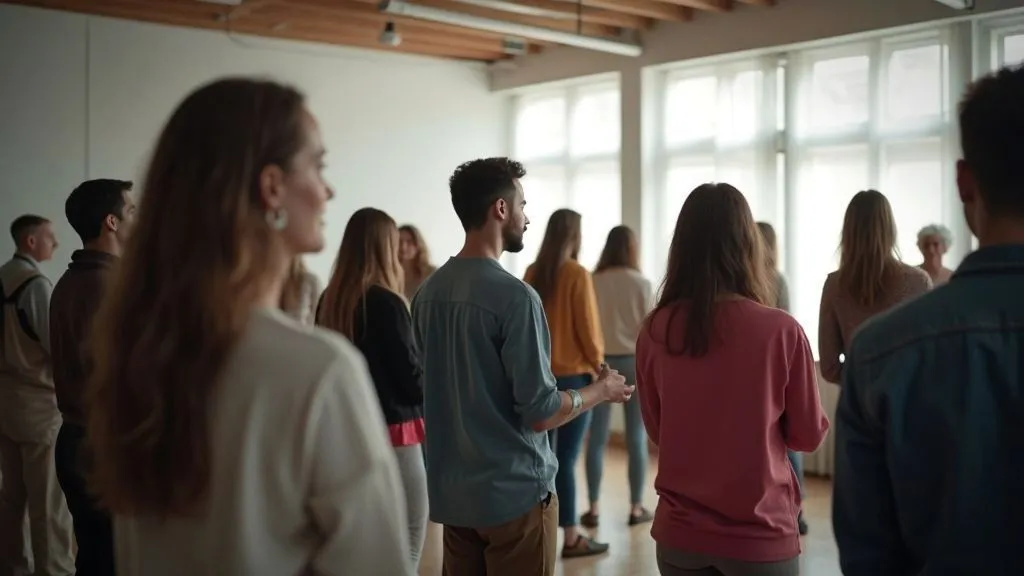
Innovative Approaches to Strengthening Community Bonds through Social Initiatives
By Linnea Brennan · · 4 min read
Community organizations play a vital role in the fabric of society, especially in nurturing relationships among residents. As citizens increasingly seek meaningful connections, innovative approaches to social initiatives emerge as pivotal strategies to enhance community bonding. This article explores various programs and methods that community organizations can adopt to strengthen these connections, fostering a more cohesive and engaged populace.
Understanding the Need for Social Initiatives
At the heart of community life lies the desire for connection. Whether it’s through local events, volunteer opportunities, or shared goals, social initiatives create a platform for individuals to come together. The shift towards a more digital society has often resulted in isolated experiences, making the role of community organizations more crucial than ever.
Social initiatives can help bridge the gap between diverse groups, breaking down barriers that may exist due to differences in age, background, or interests. This is essential for building empathy and understanding among residents, leading to a more harmonious community.
Types of Social Initiatives That Foster Connection
Community Events and Festivals
One of the most traditional yet effective methods for bringing people together is through community events and festivals. These gatherings not only provide entertainment but also create a sense of belonging. They offer opportunities for local businesses to showcase their goods and services, fostering economic growth while encouraging social interaction.
From farmers’ markets to seasonal festivals, these events can be tailored to fit the unique character of each neighborhood. Engaging residents in planning and executing these activities helps them take ownership, ensuring the events reflect the community’s values and interests.
Volunteer Programs
Encouraging volunteerism is another essential approach to fostering connection. When individuals volunteer for a common cause, they form bonds that might not occur in everyday social contexts. Volunteer programs can range from neighborhood clean-ups to mentorship initiatives for youth.
Community organizations that facilitate volunteer opportunities have the power to unite people around shared goals. This not only addresses various social issues but also cultivates a culture of giving back among residents. Moreover, these programs can be tailored to engage different age groups, ensuring that everyone finds a way to contribute.
Skill-Sharing Workshops
Skill-sharing workshops present an innovative way to encourage community member interaction. By organizing sessions where residents can teach and learn from each other, communities can foster both personal connections and collective growth.
These workshops might focus on practical skills like gardening, cooking, or crafts, but they can also delve into more complex subjects like financial literacy or mental health awareness. Each workshop serves as an opportunity for participants to bond over shared learning experiences and develop mutual respect.
Social Media and Digital Engagement
While in-person interactions are vital, the rise of social media offers unique opportunities for community engagement. Community organizations can utilize platforms like Facebook, Instagram, and Twitter to promote events, share success stories, and connect residents.
Creating online groups can facilitate discussions about local issues, allowing for a sense of community that transcends physical boundaries. Digital engagement also enables organizations to reach a broader audience, pulling in residents who may not otherwise participate in traditional community activities.
Engaging Diverse Communities
Inclusivity in Programming
As communities become more diverse, it’s essential for organizations to ensure that social initiatives are inclusive. Programs should reflect the community’s demographics, addressing the interests and needs of all residents.
Engaging with various cultural groups to incorporate their traditions and practices into community events can enrich the collective experience. This not only makes everyone feel welcome but also fosters a greater appreciation for different cultures, ultimately strengthening community ties.
Language Access and Support
Language barriers can often impede community engagement. Organizations can enhance their programming by offering language support and translation services at events and initiatives. This ensures that everyone, regardless of their linguistic background, can participate fully in community life.
Providing multilingual materials and support staff can help bridge communication gaps, fostering a sense of belonging and reducing feelings of isolation among non-native speakers.
Measuring the Impact of Social Initiatives
Feedback Mechanisms
To understand the effectiveness of social initiatives, community organizations should establish mechanisms for gathering feedback. Surveys, focus groups, and informal discussions can provide valuable insights into what works and what needs improvement.
By actively listening to residents, organizations can adjust their programs to better meet community needs, ultimately strengthening their impact. Engaging community members in the evaluation process not only enhances the effectiveness of the initiatives but also empowers residents to take an active role in shaping their community.
Success Stories and Celebrating Achievements
Highlighting success stories can inspire further participation and engagement. Organizations should take the time to celebrate achievements, whether big or small, as this reinforces the idea that collective efforts yield tangible results.
Sharing these narratives through newsletters, social media, or local events fosters a sense of pride and ownership in the community. Celebrating milestones also serves as a reminder of the power of social initiatives in transforming lives and strengthening bonds.
Conclusion
Innovative social initiatives have the potential to transform communities by fostering meaningful connections among residents. By organizing events, encouraging volunteerism, facilitating skill-sharing, and leveraging digital engagement, community organizations can create a vibrant and engaged populace.
Inclusivity, effective communication, and a focus on feedback will further enhance the impact of these initiatives. As communities evolve, the need for connection remains critical, and it is through these innovative approaches that we can build stronger, more united neighborhoods. Together, we can cultivate a sense of belonging and collective purpose, ultimately enriching the social fabric of our communities.